Make Once: Natural Materials for New Zealand Interiors
There is a quiet kind of sustainability that rarely makes it into marketing. It is not a certificate or a slogan. It is a floor that is still there in forty years, worn in rather than worn out, and never sent to landfill because a trend moved on.
That is the idea behind Make Once. It is our invitation to New Zealand architects, designers and homeowners to choose natural materials with the long view, and to come into our Christchurch studio and see what that looks like in the hand.
What Make Once means
Most interiors are made more than once. The first time with materials chosen for price or fashion; the second time, a decade or so later, when those materials fail, date or delaminate. Every second making has a cost. It costs the client, and it costs the planet the whole footprint all over again.
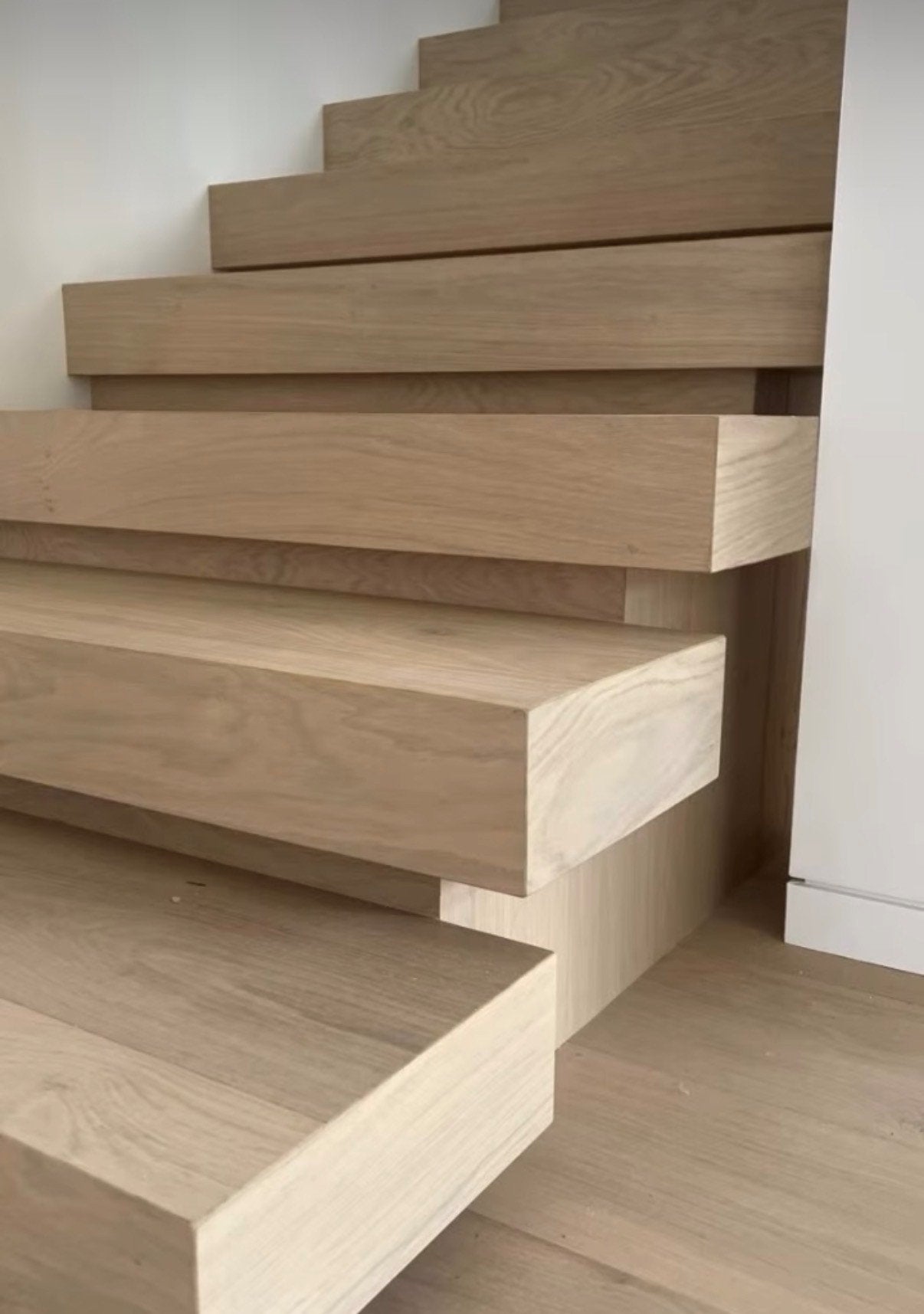
Make Once is the opposite discipline. Choose a material that ages well, install it properly, care for it simply, and keep it. Engineered European oak and New Zealand wool are two of the few materials that reward that decision. Both are natural, both repair rather than replace.
Why a floor made once lasts
The number that matters in an engineered timber floor is the thickness of the oak on top. Ours is 6mm. A full sand removes about a millimetre, and you never sand to the last of it, so there are four or five sands in the board before it is spent. Lived on normally, a floor needs a full sand every ten to fifteen years. The arithmetic is set out in how long engineered oak flooring lasts in New Zealand, and it is why we can stand behind a 25 year residential warranty.
The second thing is the finish. A factory-applied lacquer, built up in layers, resists daily wear far better than a site-applied coating, and a brushed finish hides the small marks of family life rather than advertising them. What the lacquer actually does explains why a recoat costs you nothing from the wear layer.
The third is installation. Engineered oak is dimensionally stable across New Zealand's humidity range, which is why it suits our climate better than solid timber, but it still needs the right substrate preparation, adhesive and expansion allowance. Done well, the floor moves with the house rather than against it.
Longevity is sustainability
Sustainability in flooring is usually argued on the way in: where the timber came from, how it was made. Those things matter, and the documentation we hold is on our Sustainability page. But the argument too often skipped is the way out.
A floor that lasts fifty years and is refinished along the way carries a footprint spread thinly across a lifetime. A floor that lasts twelve years and goes to landfill carries a footprint that is, by comparison, enormous, however green its original sourcing. Laminate, vinyl and carpet share one characteristic: when the surface fails, the product fails. An oak floor is the only common floor covering that can be taken back to new without being removed. The full reasoning is in why lifecycle beats material.
Natural materials for New Zealand interiors
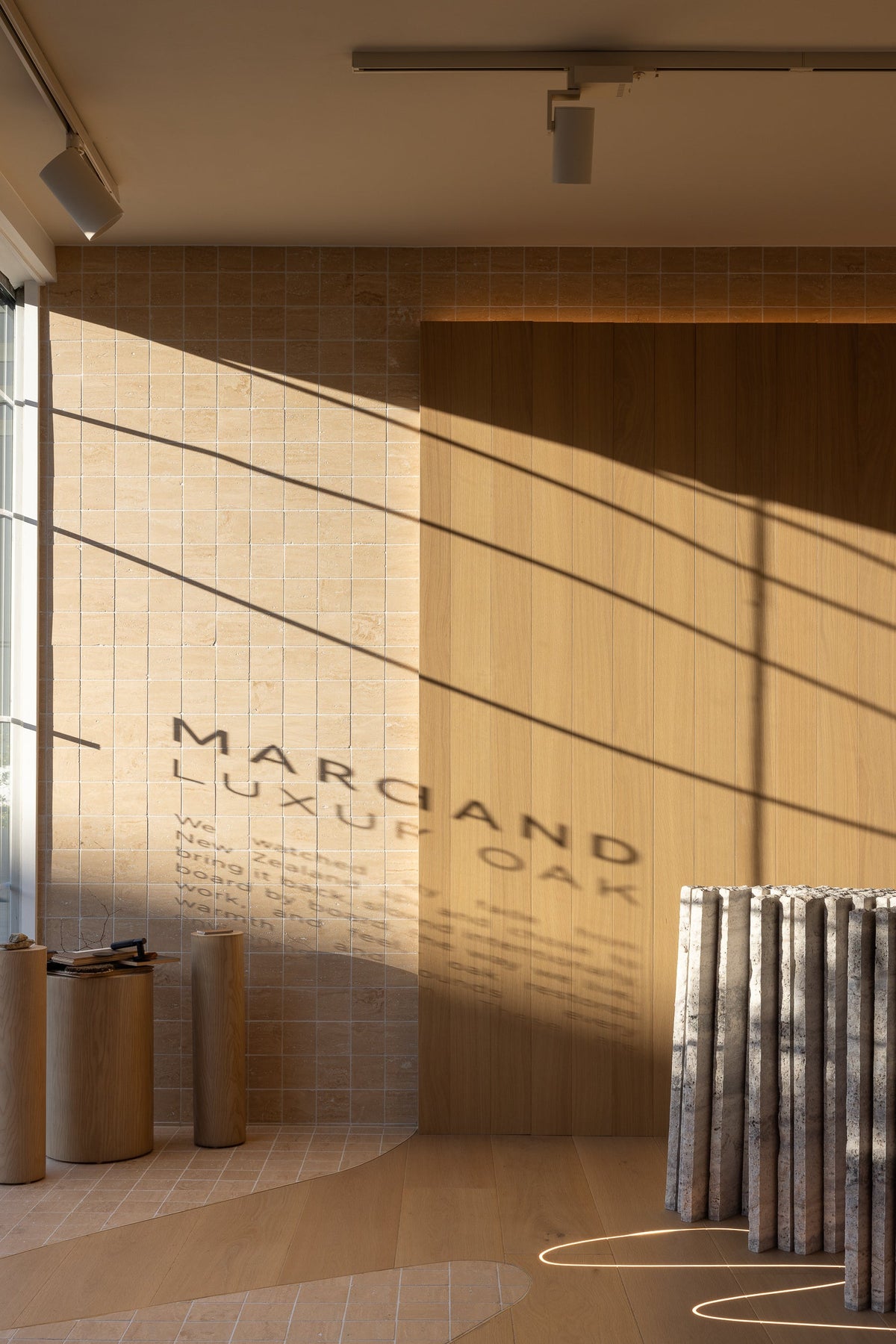
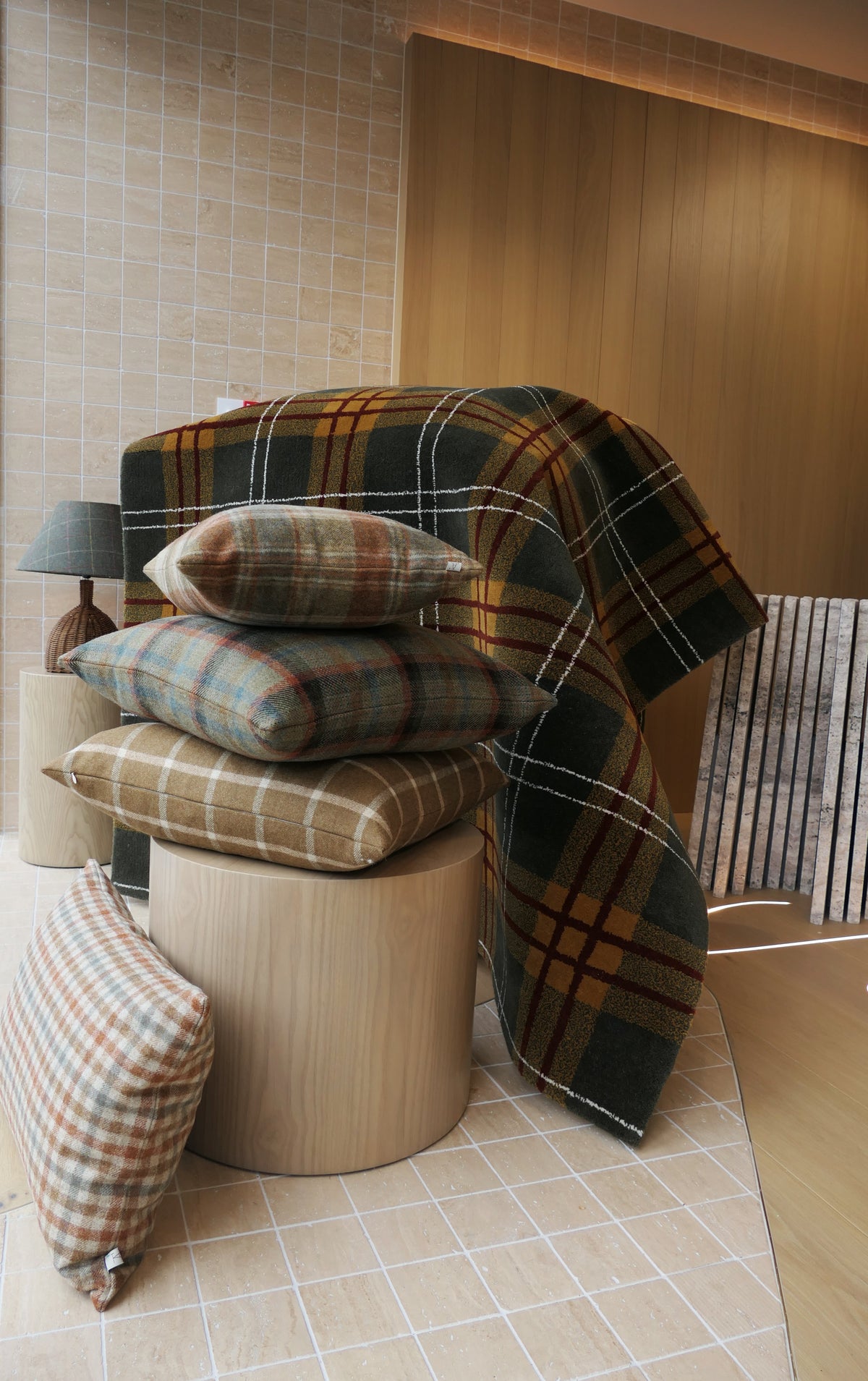
Oak is only half the story. Through September/October our Christchurch studio is showing engineered European oak alongside New Zealand wool rugs and carpets from Eden Studio, a Christchurch maker working with NZ wool and Tiffany Anderson who is showcasing her wool cushions and lamps, all made from NZ wool.
Put the two together and something happens that is hard to describe in a specification. Wool softens the acoustic of a timber room. Oak grounds the colour of wool. Both take light beautifully, both wear in rather than wear out, and both can be repaired. It is the pairing most architects reach for in the houses they design for themselves. Add oak wall and ceiling boards from the same range and the whole envelope of a room is made once, in natural materials, in similar tones.
If you are specifying natural materials for a New Zealand home, seeing the two in the same light, at full scale, is worth an hour of anyone's time.
Come in and see us
Samples online will tell you the colour. They will not tell you how a hand-finished bevel feels underfoot, how a matt lacquer reads beside a wool pile, or how a wide board changes the proportion of a room.
Our Christchurch studio is open to architects, designers, builders and homeowners. Bring your plans, or bring nothing at all. We will put the samples side by side, talk through wear layers, finishes and installation.
Visit the Marchand studio, Christchurch. Book a studio visit, order a sample.
Frequently asked questions
What is Make Once?
Make Once is Marchand's campaign inviting New Zealand architects, designers and homeowners to choose natural materials that are made once and kept for a lifetime, rather than replaced on trend.
How long does engineered oak flooring last in New Zealand?
Marchand boards carry a 6mm oak wear layer. A full sand removes about a millimetre, leaving four or five sands in the board, and a normal home needs one every ten to fifteen years. That gives a working life measured in decades, backed by a 25 year residential warranty.
Is engineered timber flooring sustainable?
Engineered timber uses slow-grown oak only where it is seen and a stable timber core beneath, so each tree goes further than it would as solid boards. The larger gain is longevity: a floor kept and refinished for decades has a far smaller lifetime footprint than one replaced every ten to fifteen years.
Why pair oak flooring with New Zealand wool?
Both are natural materials that wear in rather than wear out and can be repaired rather than replaced. Wool softens the acoustic of a timber room and oak grounds the colour of wool, which is why the pairing is so common in architect-designed New Zealand homes.
Where can I see engineered oak flooring in Christchurch?
At the Marchand studio in Christchurch, where the full range of engineered European oak flooring, wall and ceiling boards is on display alongside New Zealand wool rugs from Eden Studio and cushions and lamps from Tiffany Anderson Design.