top of page
Search

Where Design Meets the Ground: The Art of Floor Detailing

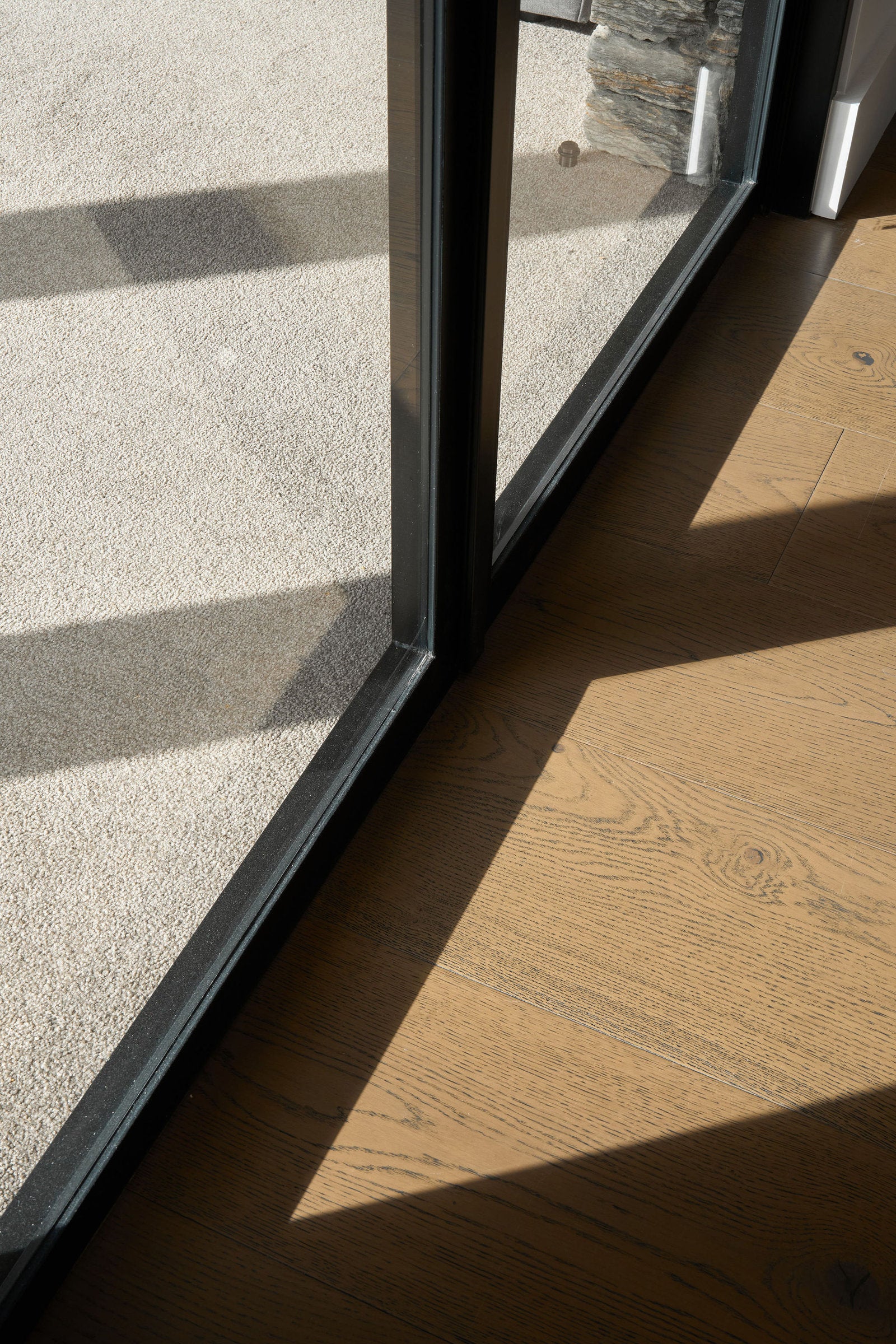
Floor detailing is more than the sum of its materials — it’s the subtle art of connection. Every junction, threshold, and inlay contributes to how a space feels and functions. The transition between timber and stone, or tile and carpet, is not simply a meeting point — it’s where craftsmanship, geometry, and light all converge.

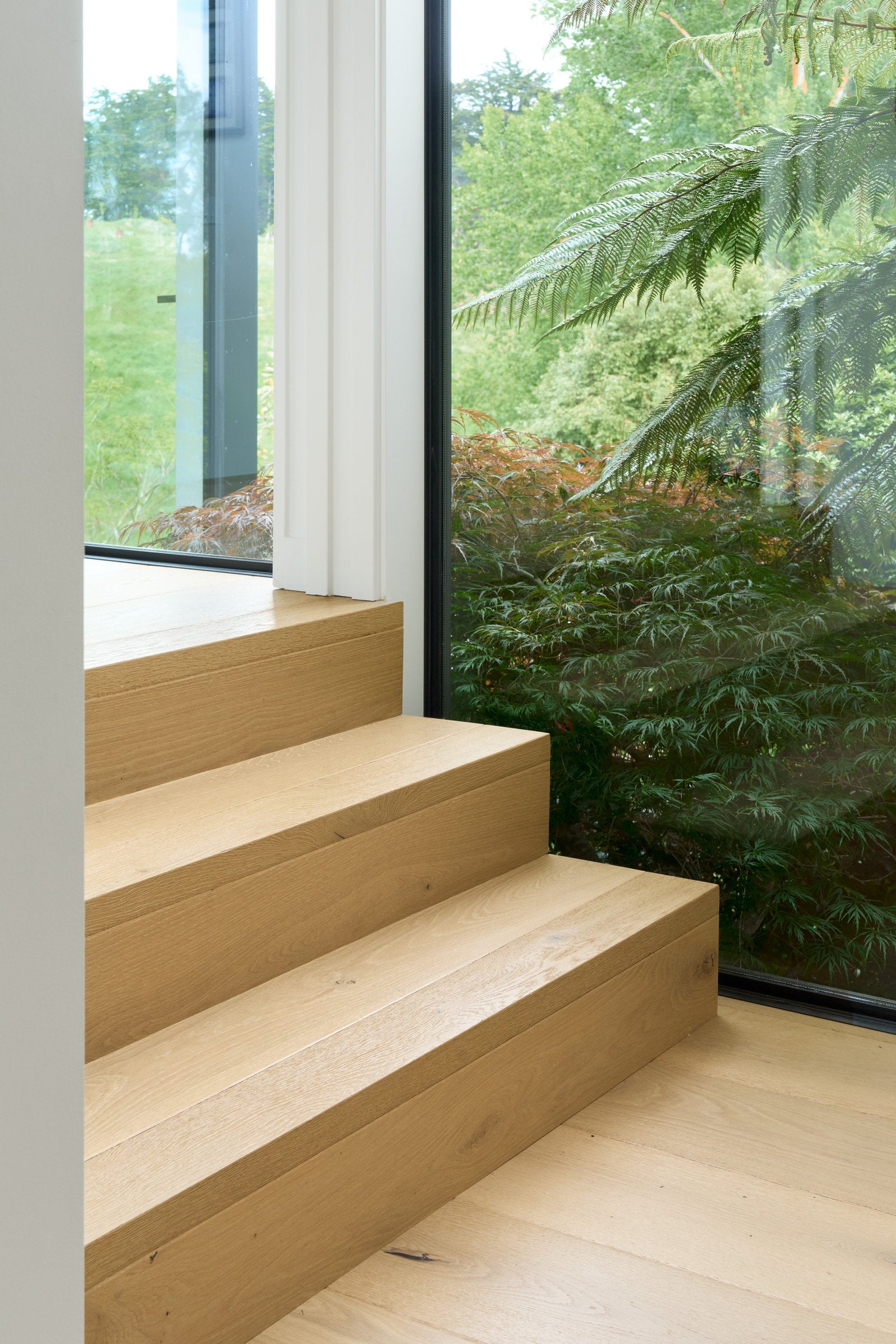
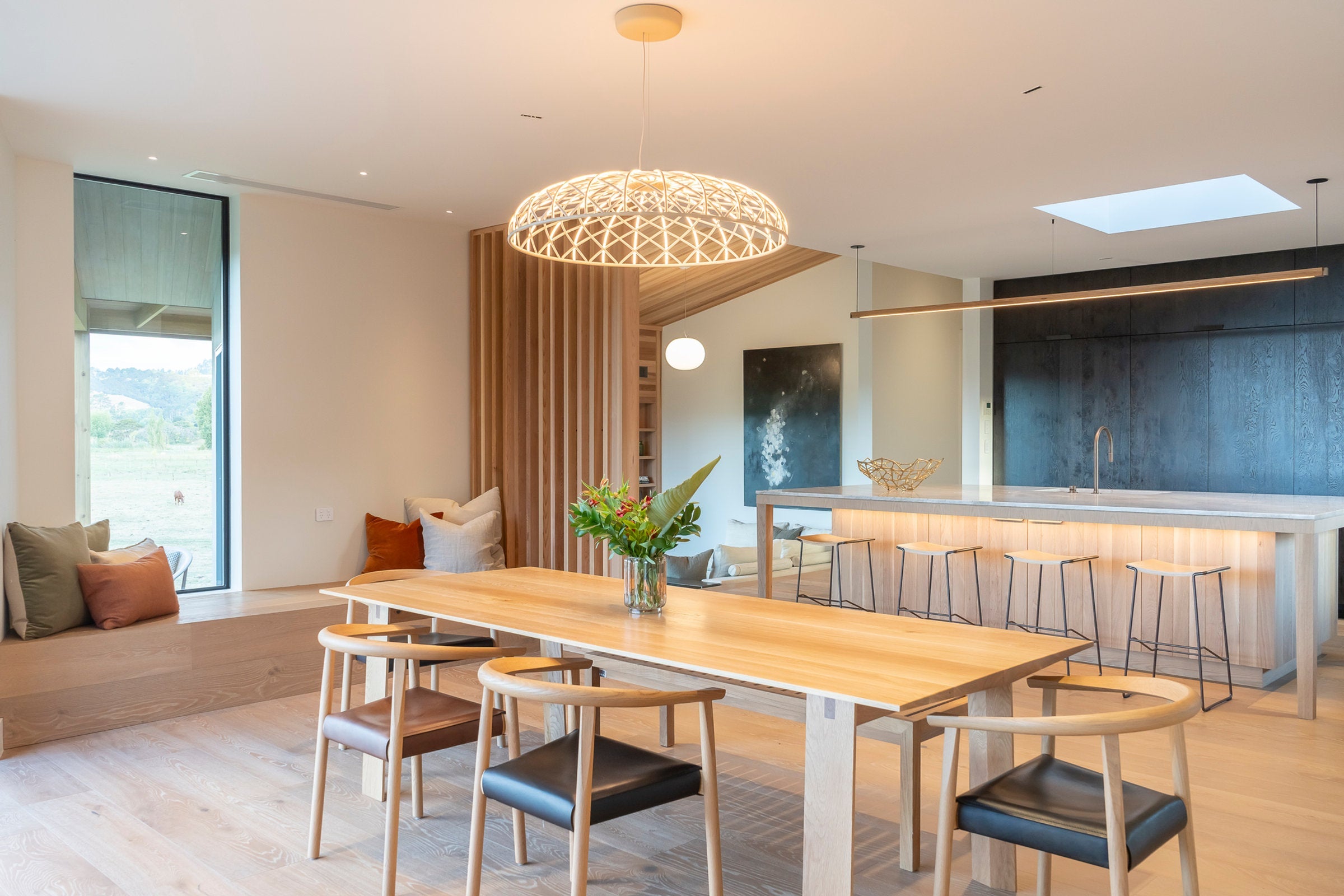
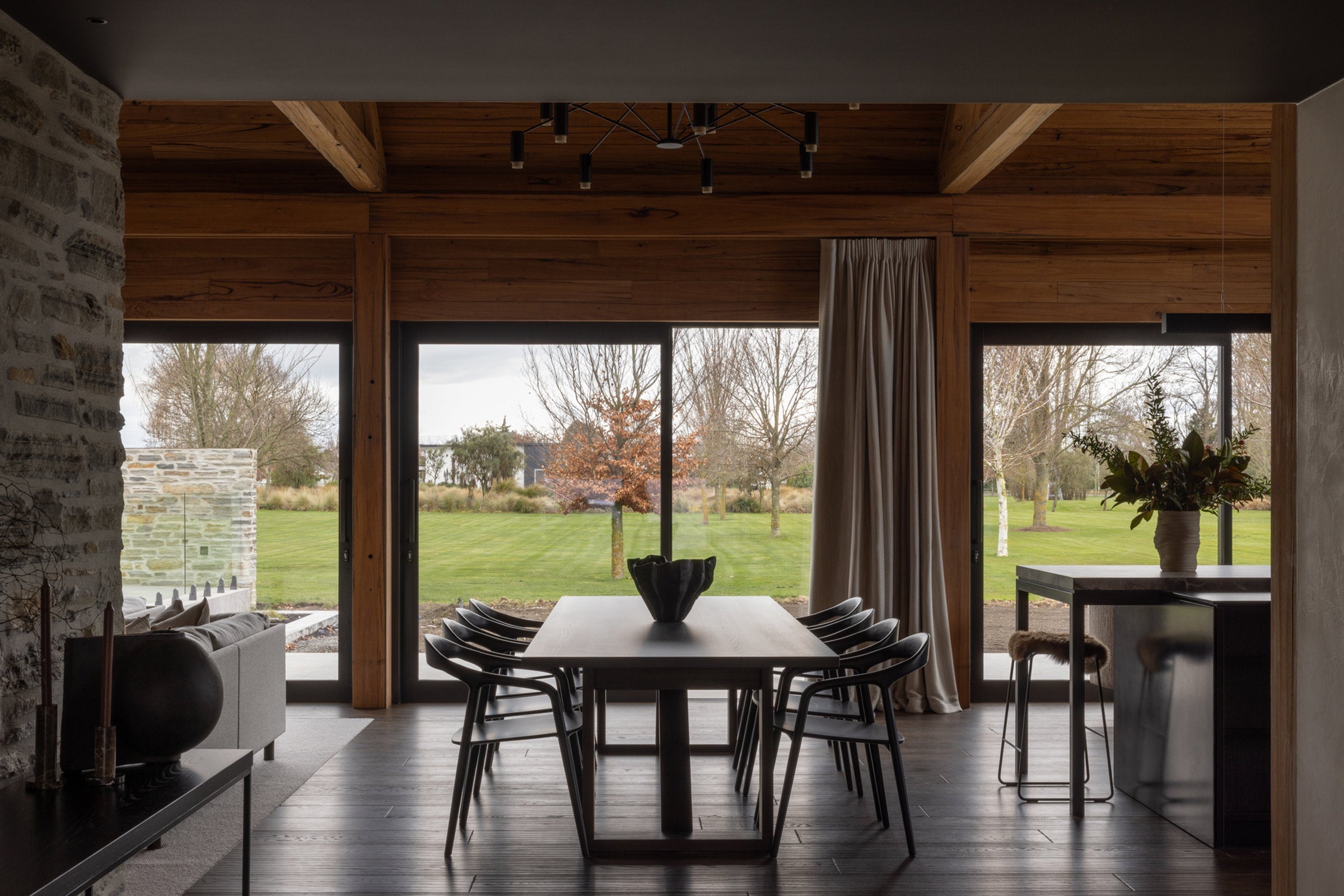
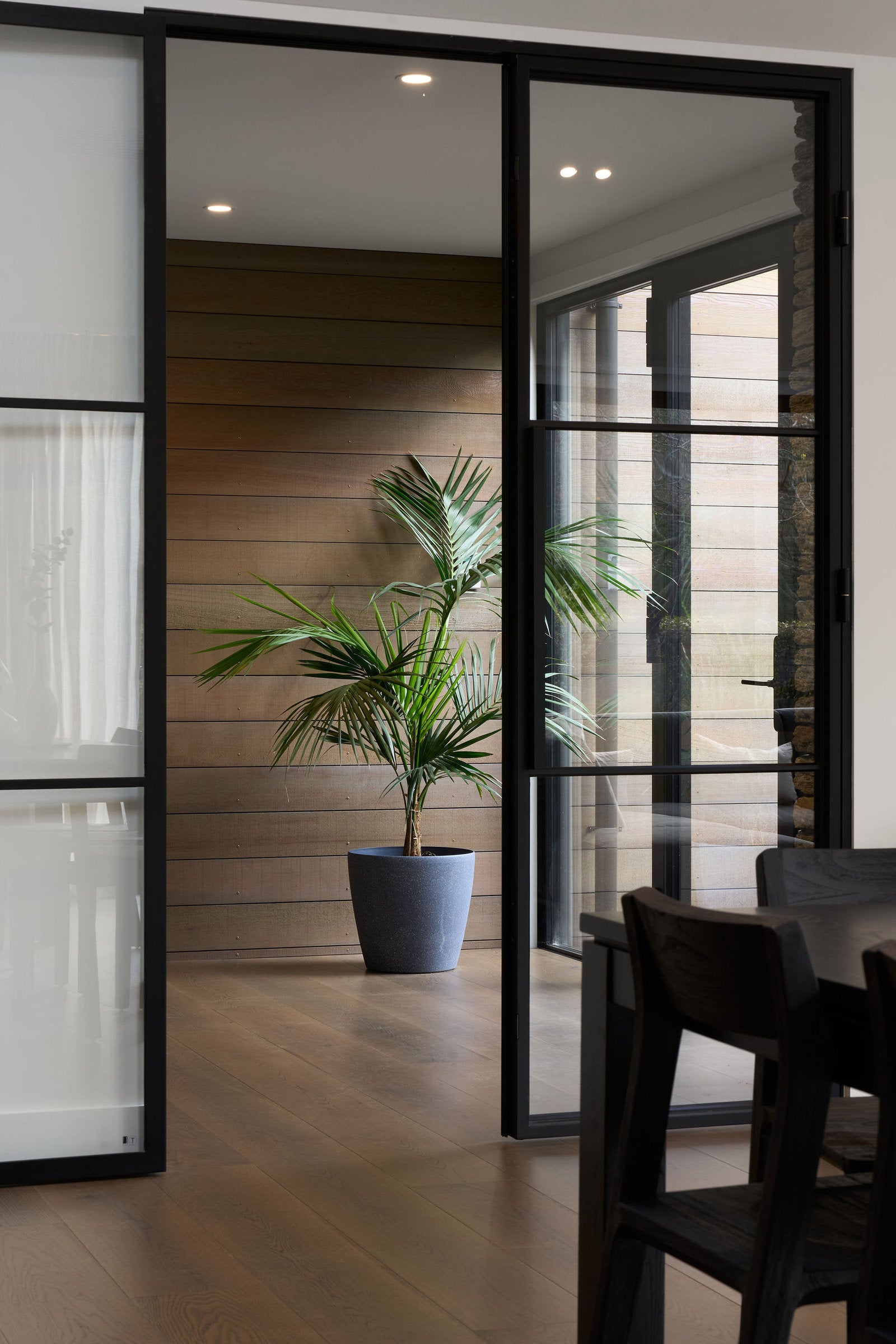
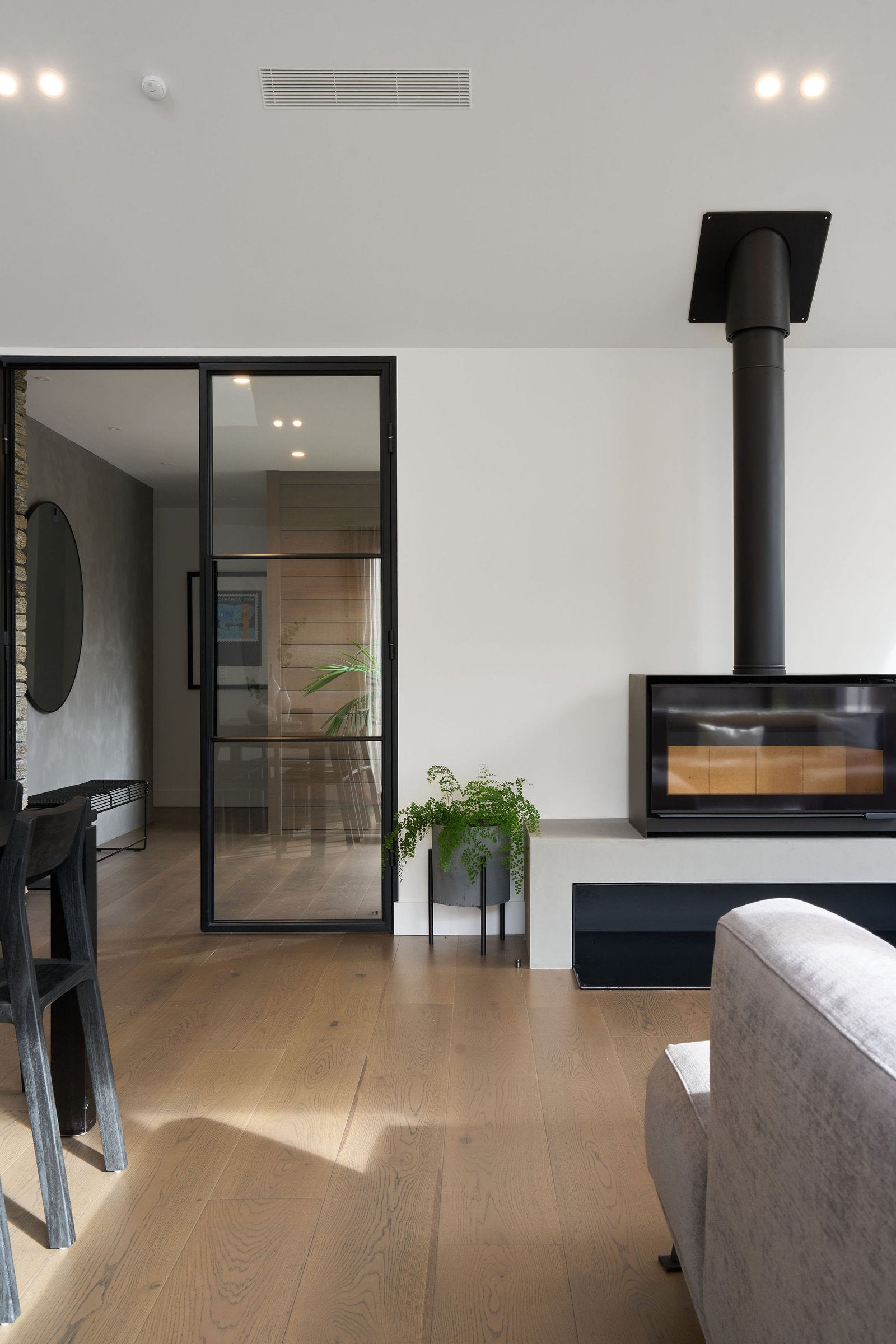
In the best architectural spaces, floor transitions tell a story. They guide movement, define zones, and create rhythm between textures. Whether it’s a seamless continuation of oak through an open plan or a bold brass line marking the shift from kitchen to dining, detailing at floor level speaks volumes about the designer’s intent.

Marchand Showrrom Brass Transition
Marchand Raw Brass Transition Parnell Showroom


The Power of the Threshold of Floor Detailing

Every material junction represents a design decision — a moment of transition that can either break or bind a space. Traditionally, thresholds served practical functions: accommodating expansion, concealing uneven levels, or protecting edges. Today, they’re an expressive design language in their own right.

Architectural detailing at the floor plane can achieve:

  • Visual continuity, by aligning timber boards perfectly with stone or tile modules.

  • Zonal definition, by using contrasting materials or brass trims to mark a shift in use.

  • Luxury detailing, through refined finishes such as aged brass, brushed brass, or blackened stainless that elevate the material experience.

At Marchand Luxury Oak, we view these transitions not as interruptions but as punctuation marks in the story of a room. They provide rhythm — pauses and emphases — that give interiors their flow and finesse. Visit our Parnell showroom and you can see we have used raw brass transitions to guide you how to walk through the space.

Brass as a Modern Classic for Floor Detailing

Few materials embody timeless refinement like brass floor trims. Once confined to heritage interiors, brass has re-emerged as a modern design element — tactile, durable, and richly expressive. Its evolving patina complements natural materials, making it a perfect companion to European oak flooring.

Marchand’s range includes:

  • Aged Brass – a warm, characterful tone ideal for heritage or transitional spaces.

  • Brushed Brass – subtly reflective, balancing contemporary precision with understated elegance.

  • Slate Brass – cooler and moodier, harmonising beautifully with greys, travertine, and limed oaks.

  • Dark Aged Brass – deep and dramatic, accentuating high-contrast palettes.

  • Blackened Brass – the designer’s choice for bold, architectural statements.

  • Stainless and Blackened Stainless – precision finishes for commercial or minimal environments.

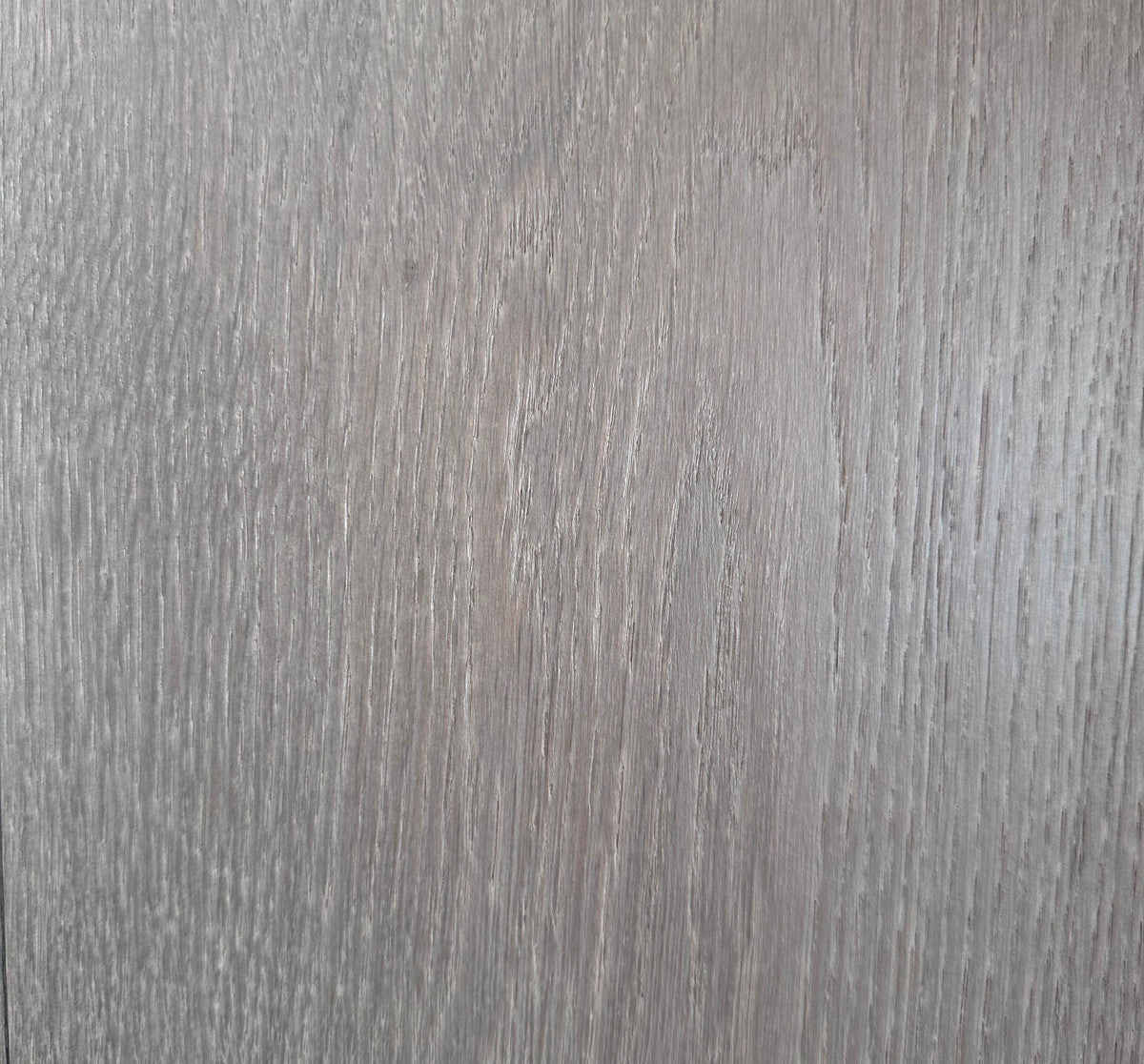
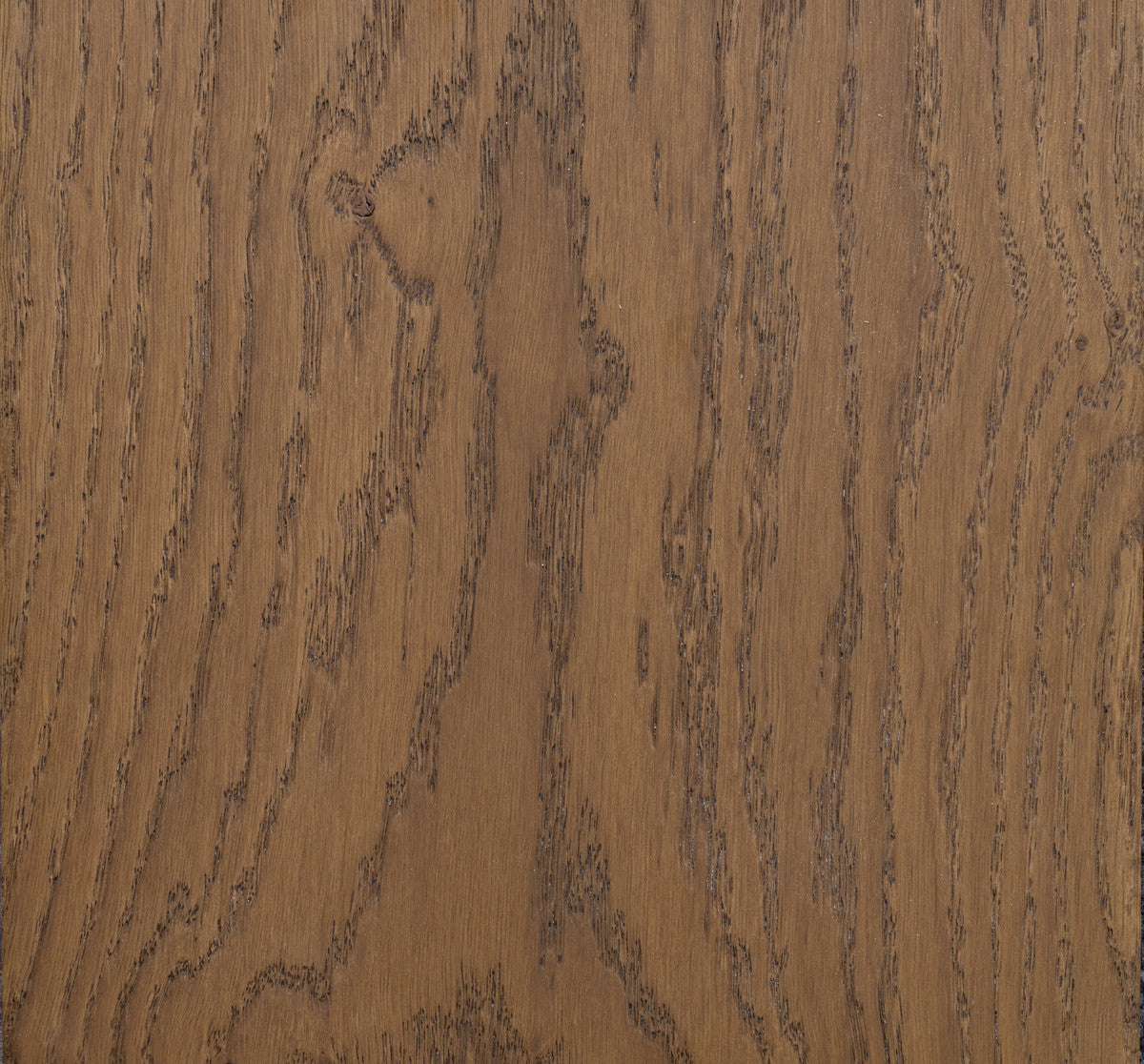
    Marchand Brass Floor Options
    Marchand Transition Options

Each finish is engineered for both function and form, designed to ensure the junction between oak and other materials remains refined, resilient, and aligned with the overall design intent.

Transitions as a Design Language

In refined interiors, floor transitions become an integral part of the visual composition. They anchor spaces, define movement, and maintain proportional balance between materials.

For architects and interior designers, a well-detailed transition:

  • Aligns with joinery and wall lines to reinforce architectural geometry.

  • Offers shadow-gap precision where timber meets plaster or skirting.

  • Enhances durability without compromising visual harmony.

Marchand Luxury Oak boards — with their 20 mm engineered construction and 6 mm European oak wear layer — are purpose-built for these applications. The dimensional stability of engineered oak allows for tight tolerances at junctions, ensuring crisp alignment with stone, polished concrete, or tile.

Material Harmony and Storytelling

A floor is a canvas — the foundation upon which every element of design unfolds. The way one material meets another reveals the story of the interior. A negative detail may suggest subtlety and restraint; a brass inlay may express confidence and craft.

When working with oak flooring transitions, consider not only the functional requirement but the emotional tone you want to evoke. A brushed brass inlay can define a gallery-like elegance; a dark aged brass trim can deepen the mood in a moody, monochromatic palette.

These transitions are where materials shake hands — and the warmth of that handshake determines the atmosphere of the room.

Craftsmanship in Every Line

Marchand’s detailing accessories are designed with the same care as our boards. Each profile, finish, and joint embodies the values of craftsmanship, integrity, and attainable luxury.

We collaborate closely with specifiers, builders, and designers to achieve precision installation — whether a project calls for continuous flow across thresholds or deliberate segmentation between finishes. Every junction is engineered to last, maintaining both structural integrity and aesthetic cohesion.

In this sense, floor detailing becomes architecture in miniature — the craft of joining, aligning, and refining at a scale that most overlook, but that defines the sophistication of the whole.

Design Is in the Details

At Marchand Luxury Oak, we believe that design excellence lies in these quiet moments of precision — where the floor meets the wall, where materials meet in dialogue, and where craftsmanship turns transitions into design features.

From aged brass trims to blackened stainless thresholds, our detailing solutions help architects and interior designers elevate the narrative of their spaces — because design doesn’t stop at the surface. It continues through every line, joint, and finish that touches the ground.

Luxury is in the details...


bottom of page